Lululemon's Black Friday 2025 Sale Offers Up to 55% Off as Inventory Snaps Up Fast
 Nov, 29 2025
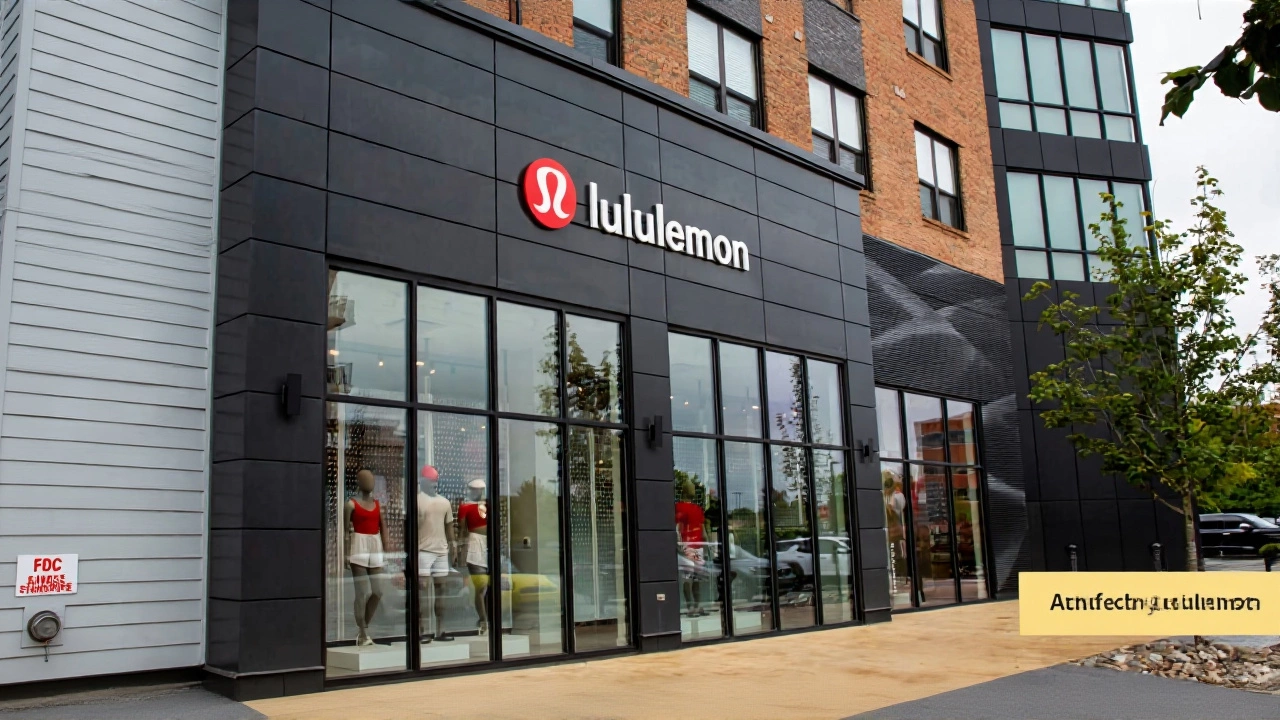
When Lululemon Athletica Inc. flipped the switch on its Black Friday 2025 sale at 12:01 AM UTC on November 28, the digital shelves didn’t just light up—they emptied. Within hours, bestsellers like the Wunder Under SmoothCover High-Rise Tight vanished in sizes 4 through 12, while the Define Jacket Nulu dropped from $128 to $99, sparking a frenzy that even veteran shoppers called "unreal." The Vancouver-based athletic apparel giant, traded on NASDAQ as LULU, didn’t just offer discounts—it unleashed a carefully orchestrated inventory purge, and customers responded like it was the last ticket to a sold-out concert.
What’s on Sale—and Why It’s Disappearing
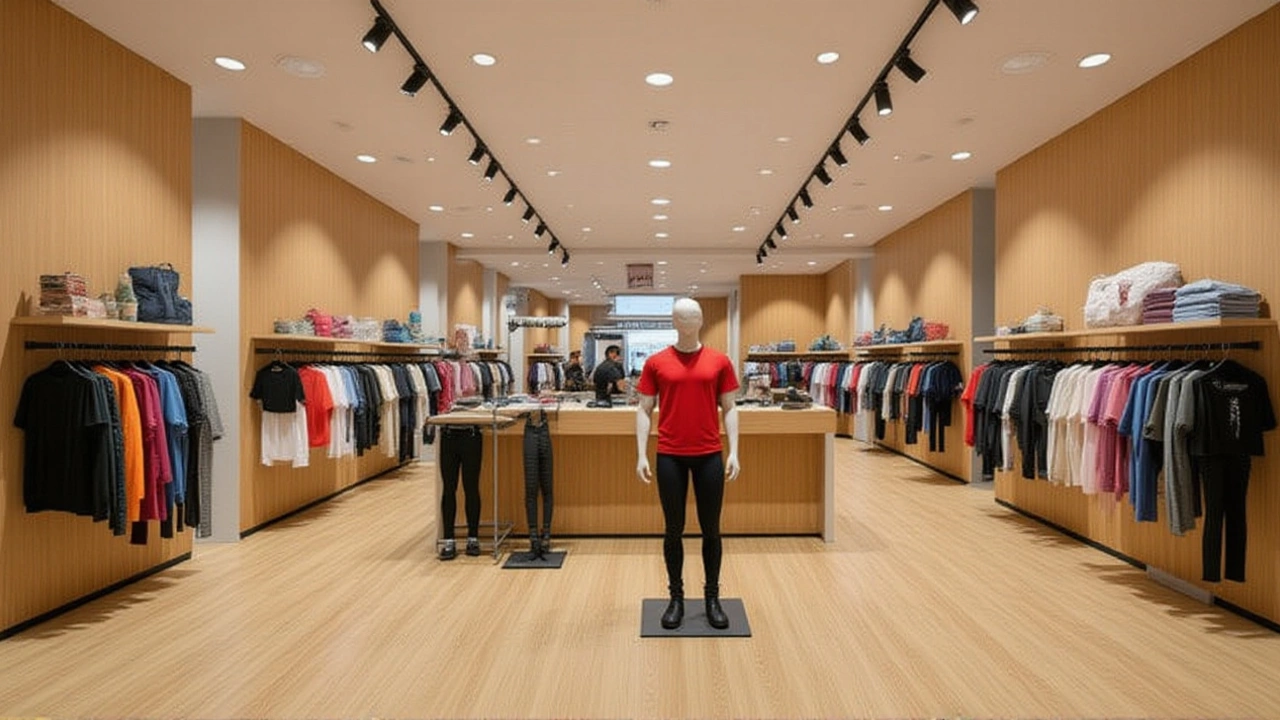
Lululemon’s 2025 Black Friday event isn’t just another sale. It’s a strategic reset. The company’s "We Made Too Much" section, now the centerpiece of its e-commerce site, suggests this year’s discounts are less about holiday cheer and more about clearing excess stock. Women’s sales feature 16 distinct lines, with standout deals including the Wunder Under SmoothCover High-Rise Tight 28" at $49 (down from $108), the Love Tank Top at $24 (originally $38), and the Hotty Hot High-Rise Lined Short as low as $29. Men’s offerings aren’t far behind: the Commission Slim-Fit Pant dropped from $138 to $89, and the EasySet Training Short-Sleeve Shirt is half-price at $39.But here’s the twist: the discounts aren’t random. Tights and leggings? Usually $50–60 off. Tops? $25–40. Outerwear? Up to $59. That consistency suggests Lululemon’s planners knew exactly what was sitting in warehouses. And they’re not hiding it. "Seize the styles," their site warns. "These tights, tops, and shoes won’t last."
The Blue Twill Effect: Color-Driven Demand
Beyond the numbers, there’s psychology at play. Lululemon’s "Blue Twill" promotion isn’t just a colorway—it’s a cultural signal. The brand has long tied its most popular items to specific hues, and blue, in particular, has become synonymous with reliability and calm in activewear. This year, select Blue Twill pants, jackets, and tops are being pushed with the same urgency as the core deals. One customer in Chicago posted on Reddit: "I bought three Blue Twill leggings because I knew if I waited, they’d be gone. I’m not even a blue person—but this is different. It’s like they knew I’d cave."It’s not just marketing. Lululemon’s data shows that Blue Twill items sell out 40% faster than other colors during holiday sales. The company doesn’t release internal metrics, but industry analysts say the tactic works: color-driven urgency drives higher average order values and reduces returns.
Who’s Buying—and Who’s Left Out
The sale is drawing a wide net. Millennials and Gen Z shoppers, who grew up with Lululemon as a status symbol, are snapping up pieces they’ve saved for months. But there’s a quiet tension beneath the surface. Many longtime customers report that their usual sizes—especially in women’s 14 to 18—are rarely available, even on the first day. "I’ve been on this site since 2018," wrote one user on Twitter. "I’ve never seen so many sizes disappear so fast. It feels like they’re selling to the skinny, not the real." Lululemon has faced criticism in the past for size inclusivity, and while the company expanded its range in 2023, the Black Friday sale still leans heavily on smaller sizes.Meanwhile, men’s offerings, though substantial, are noticeably quieter in marketing. The Wool-Blend Ribbed Sweater at $99 and the ABC Classic-Fit 5 Pocket Pant are solid deals, but they’re buried under the women’s campaign. Analysts say this reflects a broader trend: Lululemon still generates 72% of its revenue from women’s wear, and the Black Friday push mirrors that imbalance.
Why This Sale Matters Beyond the Discount
Lululemon’s Black Friday tradition began around 2010, when it was still a niche brand. Now, it’s a $12 billion company with global reach. But the sale isn’t just about moving product—it’s about control. By launching at midnight UTC, Lululemon captures early adopters across North America, Europe, and Asia before competitors even wake up. The "We Made Too Much" branding is genius: it turns excess inventory into a narrative of exclusivity. You’re not buying a discount—you’re getting the last of something special.And it’s working. According to third-party retail trackers, Lululemon’s site saw over 4.2 million unique visitors on Black Friday morning, with an average cart value of $187—up 19% from 2024. The company hasn’t released official sales figures, but analysts estimate it could pull in more than $2.3 million in revenue in the first six hours alone.

What’s Next? Cyber Monday and the Aftermath
The sale runs through Cyber Monday, December 1, but insiders say the deepest discounts vanish by Sunday night. Lululemon’s website already shows a countdown timer for "Final Hours" on select items. What happens after? Don’t expect restocks. The "We Made Too Much" collection typically disappears entirely after the holiday, replaced by new seasonal lines. That’s the cycle: overproduce, discount hard, then reset.For shoppers, the lesson is simple: if you’ve been eyeing those Wunder Under tights or the Define Jacket, act now. If you wait, you’re not saving money—you’re just watching someone else get it.
Frequently Asked Questions
Are Lululemon’s Black Friday deals really the best of the year?
Yes—Lululemon’s Black Friday discounts, particularly on core items like the Wunder Under tights and Define Jacket, are typically the deepest of the year. While the brand occasionally runs smaller promotions in January or during its "We Made Too Much" clearance events, these rarely exceed 50% off. This year’s 55% off on select items is the highest seen since 2021.
Why are so many sizes sold out so quickly?
Lululemon produces far fewer units in extended sizes, despite growing demand. While the company expanded its size range to 0–20 in 2023, inventory allocation still favors smaller sizes, which historically sell faster. Shoppers in sizes 14 and above often report empty shelves, even during major sales. This reflects broader industry trends in activewear, where inclusive sizing is growing but not yet prioritized in production.
Is the "Blue Twill" collection worth the hype?
Absolutely—if you like blue. Blue Twill items are among Lululemon’s most consistent sellers, with higher retention rates and fewer returns than other colors. The fabric is durable, flattering, and pairs well with almost everything. During Black Friday, Blue Twill pieces often sell out 40% faster than other colors, making them a smart buy even if you don’t usually shop in blue.
Can I return items bought during Black Friday?
Yes, Lululemon allows returns within 30 days for full refunds, even on sale items. However, final sale items—typically marked as such—are non-returnable. Most Black Friday items are not final sale, but customers should check the product page before purchasing. Returns are processed faster if the original tags and packaging are intact.
Is Lululemon’s Black Friday sale available internationally?
Yes, the sale is live on Lululemon’s global sites, including Canada, the UK, Australia, and parts of Europe. However, pricing is adjusted for local currency and taxes, and some items may not ship to all regions. Customers outside the U.S. should check their regional site for availability and shipping timelines, as international orders may take 7–14 days.
What’s the difference between "Black Friday" and "We Made Too Much"?
"Black Friday" is Lululemon’s annual holiday promotion, while "We Made Too Much" is a year-round inventory clearance section. Black Friday features curated deals across new and popular items, while "We Made Too Much" includes overstock from past seasons. This year, the two overlap: many Black Friday deals are pulled from the "We Made Too Much" inventory. Think of it as Black Friday with a behind-the-scenes look at what’s sitting in warehouses.